
Even the most severe forms of depression can be effectively treated and similar to most other complications, the earlier the treatment begins the more effective it is. It should be noted here that some medications and certain medical conditions can give rise to symptoms that are similar to those of depression. These possibilities require to be first ruled out, before psychological evaluation by a mental health professional. This psychological evaluation would include a discussion on complete symptom history and family history of depression. The discussions would also relate to substance abuse and suicidal thoughts. Once depression has been established, it is treated in several ways, the most prominent being medication and psychotherapy.
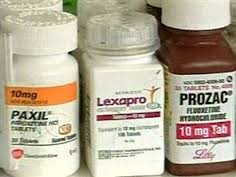
The medication includes antidepressants that influence the neurotransmitters. Some new antidepressants include the selective serotonin reuptake inhibitors (SSRIs), Fluoxetine (Prozac), sertraline (Zoloft), escitalopram (Lexapro) and paroxetine (Paxil). The medications should be taken for at least 4 to 6 weeks to realize its full effects. Medication could be even continued to prevent the reoccurrence of depression. However in 2004, a study by FDA revealed that 4% of those on antidepressants had considered suicide. It asked manufactures of antidepressants to include a warning on the label recommending close observation of adults and pediatric patients for emergence of suicidality. Psychotherapy or ‘talk therapy’ is another therapy that is used to treat depression. The cognitive behavior therapy (CBT) help diagnosed people to restructure their negative thought pattern. Interpersonal therapy (IPT) help depressed people to mange and improve their troubled relationship.
According to clinical psychologist and expert on mental illness Steve Ilardi , the public has been tragically misinformed about treatment options for antidepressants. The sales of antidepressant drugs exceed $20 billion a year, despite low recovery rates and serious side-effects. However he adds that the traditional psychotherapy isn’t any better either as it could at times, make the condition worse too. Ilardi suggests that CBT is very promising and the focus of treatment should be a change in the lifestyle of the depressed patient. This has indeed yielded positive results and has been proved to be considerably superior to antidepressant medication. Ilardi recommends a depression treatment focused on six factors:
i) Emphasis on omega-3 fatty acids
ii) Engaging in meaningful activity
iii) Physical exercises
iv) Exposure to natural sunlight
v) Social connectedness and
vi) Restorative sleep
Some professionals involved in the treatment of depression point out that there is immense commercial pressure to create and sustain psychiatric diagnosis such as depression. With the sales of antidepressants shooting to newer levels in the US and Europe, the role of the pharmaceutical industry is apparent.
The accusation here is that though the mental diseases are officially classified through scientific consensus by the WHO and the APA, through manuals and expert committees, the evidence may sometimes be poor and heavily influenced by the pharmaceutical industry. The industry exerts a direct major influence through sponsored journal supplements that are inadequately peer reviewed. The pharmaceutical industry strives to influence both the general public and the medical fraternity, to ensure that depression related diagnoses are applied to a maximum possible people and conditions.


