Finance Minister Nirmala Sitharaman held a press conference in New Delhi today on the Rs 20 lakh crore economic package. This is her third press briefing in three days. She is expected to hold daily press conferences till Sunday. Sitharaman has been announcing the tranches of the Rs 20 lakh crore package aimed at ‘Aatmanirbhar Bharat Abhiyan’ or self-reliant Bharat announced earlier by Prime Minister Narendra Modi. While the first tranche of measures focussed on alleviating the distress in the Micro, Small and Medium Enterprises (MSMEs) sector, the second set…
Read MoreCategory: Nation
Atmanirbhar Bharat Abhiyan: Second Phase Announcement on Economic Package
Finance minister Nirmala Sitharaman’s second installment of the Rs 20 lakh crore Atma Nirbhar Bharat economic relief package on Thursday focused on farmers, migrant labourers and street vendors. Apart from free food grain to migrant workers to credit facility for street vendors to concessional credit for farmers, the finance minister not only revealed new measures but also highlighted the steps taken by the NDA government in the last two months to assist the vulnerable class hit by the economic slump triggered by coronavirus pandemic. Among the major economic relief measures…
Read MoreAtmanirbhar Bharat Abhiyan: First phase Announcement on Economic Package
Finance minister Nirmala Sitharaman on Wednesday 13th May, unveiled a Rs.5.9 lakh crore stimulus package which includes Rs.3 lakh crore collateral-free loans to small businesses, Rs.75,000 crore liquidity infusion in non-banking finance companies (NBFCs), Rs.90,000 crore financial support to power discoms and Rs.50,000 crore cash in the hands of taxpayers. The allocation is part of the Rs.20 lakh crore ‘Atmanirbhar Bharat Abhiyan’ (Self-Reliant India Movement) announced by Prime Minister Narendra Modi on 12th May that combines policy reforms with fiscal and monetary measures. Sitharaman said the focus of the measures…
Read MoreA common man’s guide to police ethics
The ethics toolkit issued by the International Association of Chiefs of Police emphasizes on the do’s and don’ts of the police, with regard to legal and ethical conduct. It identifies accountability as “the duty of all officers to truthfully acknowledge and explain their actions and decisions when requested to do so by an authorized member of this agency without deception or subterfuge”. Although the toolkit does not bar police officials from receiving gifts and other items of value, it emphasizes that those receiving unsolicited gifts and items should report the…
Read MoreUnsustainable foods: When food choices become detrimental
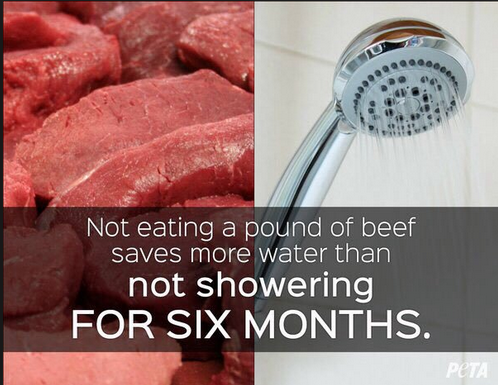
When our food preferences begin to become a threat to our planet and ourselves, the food choices we make, cease to be a matter of personal preference. The writing is on the wall now as rightly interpreted by The United Nations Environment Program (UNEP) which dubbed beef as a “climate harmful meat.” Prof Gidon Eshel of Bard College in New York and who led a research on beef’s impact says “The big story is just how dramatically impactful beef is compared to all the others,” Eshel’s team analyzed how much…
Read MoreNation and Physical Fitness – The foresight of Mao Tse-tung
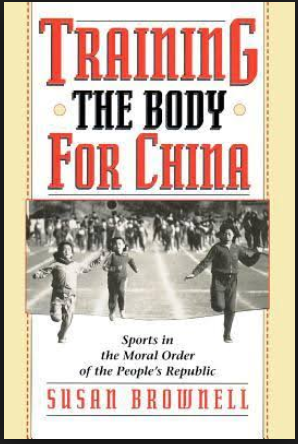
The fit India campaign is creating massive fitness awareness and interest with individuals including the prime minister, posting videos of their workout and challenging friends and colleagues to showcase their workouts. With the Indian physical fitness awareness movement taking effect now, it is important to know how physical fitness was considered to fit into the welfare and progress of a nation even in the early 20th century, by the founding father of the People’s Republic of China, Mao Tse-tung. Under Mao Tse-tung, the strong and healthy bodies of the workers…
Read MoreRaising our water storage capabilities
The World Bank estimates suggest that India has only about 4% of the world’s water resources to support its 15% of world population It also adds that only about 35% of India’s agricultural land is irrigated, which mean about 65% of farming depends totally on rain. India is the third largest dam building nation in the world after China and the US, although it has a per capita storage of only 213 cubic meters compared to 6,103 per capita in Russia, 4,733 in Australia, 1,964 in the United States, and…
Read MorePlugging the question paper leaks – Academic and job selection
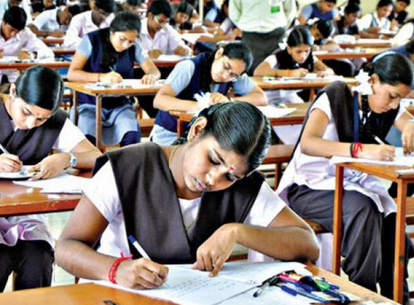
The recent CBSE exam paper leaks have brought to the fore the vulnerability of the CBSE itself to paper leaks. The CBSE exam procedures, tagged as amongst the best practices in the nation came in for a jolt. Exam leaks have become a more common affair not just in academics but also in professional circles. The reliability of various question papers set by the different staff selection commissions of various states in the country, is one’s own guess. There has been no dearth in scandals associated with paper leaks around…
Read MoreDynastic hijacking in Indian party politics
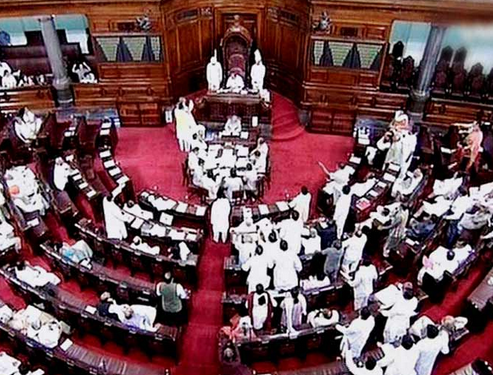
In a nation tagged as the world’s largest democracy, Indian politics has been a very dynamic one. An important facet of Indian politics that is now taking predominance is dynastic dominance. Parties are increasingly resorting to dynastic politics. As debates continue on how to end it, given its inherent and proven harm, an invasive form of dynastic politics has been unnoticed. The act of dynastic hijack in Indian politics has been seemingly less identified. Therefore dynastic parties are of two kinds; one that was originated by a leader and kept…
Read MoreMuch Ado About Nothing – The IIT students’ song
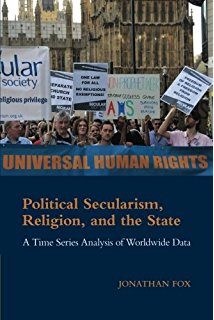
A recent function at IIT Madras was at the center of a controversy as to the singing of a Sanskrit, religious song. There was a huge noise and cry, although it wasn’t clear against what the outcry was. Was it the language, was it the religion, or was it a case of missing anthem? There were too many voices and many divergent views. It is very sad that a prayer by students has been seen confronting and unbearable. More than the case at hand, the incident brought to the fore…
Read More